
Event decoration can look effortless in photographs, but putting it together takes more than picking out nice-looking pieces. A stage can be stunning on its own. It can still feel out of place if the entrance, seating, and lighting were not designed with it. A floral arrangement can be beautiful and still look wrong for the size of the hall it’s placed in. This mismatch usually comes from one thing: decoration decisions made without a plan. This guide walks through how to plan event decoration in Nepal from the ground up — starting with the venue, moving through design and decoration elements, and ending with setup and coordination on the event day.
Along the way, it covers how to plan event decoration step by step, what actually affects decoration cost, and when it makes sense to bring in professional help.
Quick Summary: Planning an Event Decoration in Nepal
Good event decoration is not just about flowers, lights, or a pretty backdrop. It comes together when several things are planned kaas one:
- The event’s purpose and type
- The venue and how people will move through it
- A clear design direction and color palette
- The stage, entrance, and other focal areas
- Floral, lighting, and draping choices
- Guest-facing spaces like seating, tables, and photo areas
- Setup, coordination, and final checks
- Budget priorities based on the scope of the event
The goal is simple: create a space that looks and feels consistent from the moment guests arrive, while making sure every decoration choice actually works with the venue and the event itself.
Event Decoration in Nepal: At a Glance
| Planning Area | What to Consider |
| Event Type | Wedding, corporate, private, or social celebration |
| Venue | Size, layout, architecture, lighting, and guest movement |
| Design | Theme, color palette, focal points, and visual consistency |
| Decoration | Stage, entrance, floral, lighting, draping, tables, and signage |
| Setup | Installation access, timing, coordination, and final checks |
| Budget | Scope, materials, customization, lighting, and installation complexity |
What Does Event Decoration Actually Include?
Event decoration is often reduced to a shopping list — flowers, lights, a backdrop. In practice, it’s the coordinated visual treatment of an entire space, not separate items dropped into a venue.
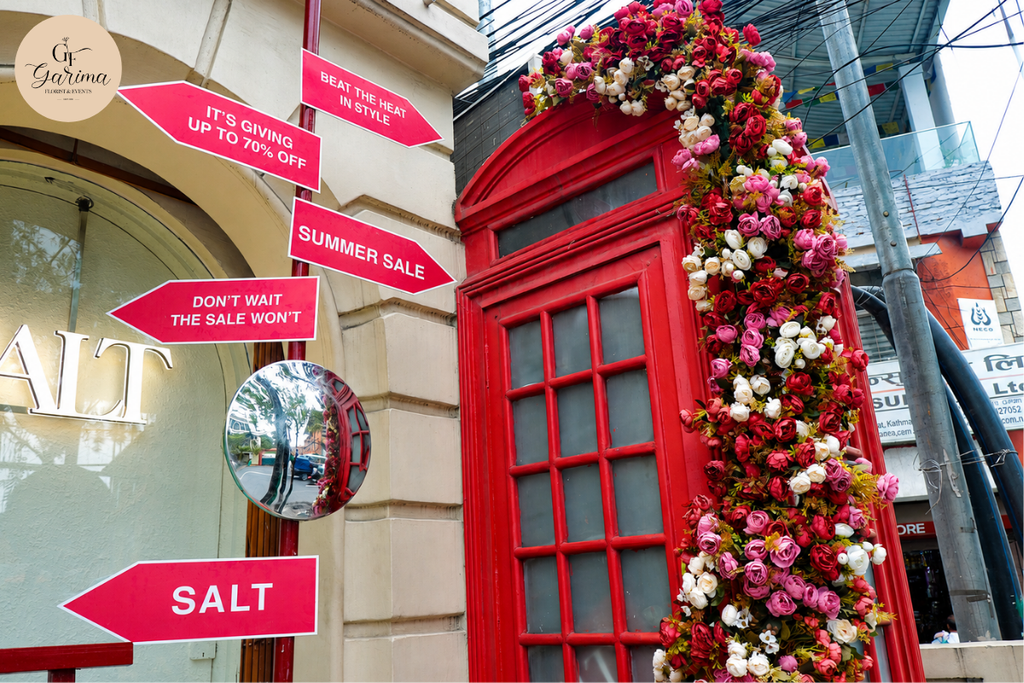
Depending on the event, decoration can involve the entrance and welcome area. It covers the stage and backdrop as the main focal point. Floral decoration, lighting, draping, tables and seating, signage, photo areas, and aisle styling complete the look.
Not every event needs all of these. A corporate seminar may need only a stage, backdrop, and clean signage. For the wedding reception, nearly every element above could be involved. What a space actually needs depends on the venue. The format of the event influences it, and the experience the host wants to create.
It’s also worth separating decoration from event management. Decoration deals with how a space looks and feels; event management is broader, covering logistics, vendor coordination, scheduling, and execution. The two work closely together, but a good decoration plan still needs to fit inside a realistic event schedule.
How to Plan Event Decoration Step by Step
This is where the planning process becomes practical. Knowing that an event needs a theme or good lighting isn’t enough; the order in which those decisions are made also matters.
1. Start With the Event Purpose and Format
Decoration should follow the event, not the other way around. A wedding reception, an engagement (sagan), a corporate product launch, and a private birthday dinner all call for different priorities.
For instance, a wedding stage usually needs to work well for close-up photography, ceremonial activities, and viewing from the main seating areas, while a corporate stage prioritizes screen visibility and a clean, professional backdrop.
Depending on the family and wedding format, functions like mehendi, haldi, sangeet, and reception may each call for a different mood. Deciding the purpose first prevents a common mistake: collecting decoration ideas that look good individually but don’t actually serve the event they’re meant for.
2. Understand the Venue Before Choosing the Décor
This step is often overlooked, and that can make decoration feel awkward on the day.
Before choosing a single flower or fabric color, it helps to study the space itself:
- Dimensions and ceiling height — a low ceiling limits tall installations; a large hall can make small decoration look sparse
- Entrance position — where guests first enter, and how that shapes their first impression
- Existing architecture — pillars, wall colors, and fixed fittings decoration has to work around
- Natural and artificial light — daylight changes how colors and floral appear compared to evening lighting
- Stage location — whether it’s naturally visible from most seats or needs extra height and framing
- Guest movement — how people will walk from entrance to seating to stage to dining
- Installation points — ceiling hooks, wall space, or structural points decoration can attach to
Choosing decoration before understanding these details often leads to problems that only surface on the event day — décor that doesn’t fit the ceiling height, or a stage that looks small in an oversize hall. Planning around the venue first can prevent many of these problems.
3. Define the Theme or Design Direction
A theme is not the same as a random collection of decoration photos saved from Instagram. It’s a single, consistent visual direction — a mood, a color story, a style — that every decision in the venue can be checked against.
It might be built around the formality of the event, a color story the host prefers, or the character of the venue itself. Once it’s set, every choice — floral, backdrop style, lighting tone, signage — can be measured against it, rather than added on its own logic.
4. Build a Practical Color Palette
Choosing decoration pieces before settling on a palette can quickly make a venue feel disconnected. A unified palette keeps the venue from feeling disconnected. A palette generally includes a primary color that anchors the space, one or two supporting colors, and an accent color used sparingly for contrast — with all three translated consistently into floral, fabric, draping, and lighting.
The palette also needs to work with the venue itself — a hall with warm wood interiors and one with plain white walls will carry the same colors very differently. There’s no universally “correct” combination; the right one suits the event’s mood and doesn’t fight the venue’s existing character.
5. Identify the Main Focal Points
Not every part of a venue deserves equal visual attention. Trying to decorate everything at the same intensity usually makes a space feel busy rather than impressive.
Instead, it helps to rank areas by importance:
- Primary focal point — usually the stage, backdrop, or mandap
- Secondary areas — entrance, dining area, or photo area
- Supporting details — signage, small centerpieces, pathway styling
Once the main focal point is identified, everything else can be designed to support it, not compete with it.
6. Match Decoration With Practical Requirements
Beautiful decoration still has to function inside a real event. Before finalizing any design, check it against guest movement (does it block paths or exits?), visibility (can guests see the stage from where they’ll sit?), seating and accessibility, lighting and cable safety, and whether it can realistically be installed and removed within the venue’s time window.
This matters most when a venue has a tight access schedule or multiple events booked back-to-back — a design that looks perfect on paper but takes hours longer to install than the access window allows simply won’t work.
How to Design Event Decoration Around the Venue
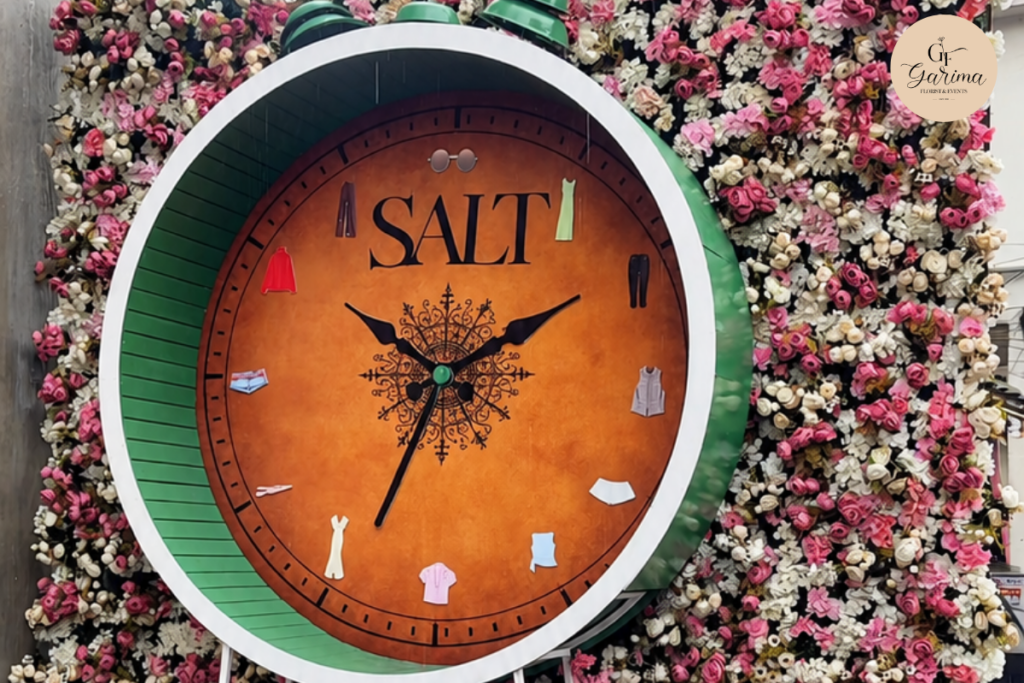
Your venue should guide the decoration plan. Its size, layout, lighting, and existing features can shape what works best. By planning around the space first, the decoration can look more balanced, practical, and connected.
Start With the Venue Layout
A useful way to think about a venue is as a path: entrance → guest seating → stage or ceremony area → dining → photo area → exit. Mapping this out before choosing décor makes it easier to see where attention is needed and where guests will naturally pause or gather.
Identify Areas That Need Decoration — and Areas That Don’t
Decorating every wall and corner can weaken the impact of the areas that matter most, like the stage or entrance, while adding unnecessary cost and setup time.
Decorating the areas guests will actually notice and spend time in usually creates a stronger impression than covering every surface.
Consider Scale and Proportion
Scale is one of the most overlooked parts of decoration. A small floral arrangement can disappear inside a large banquet hall; an over sized backdrop can overwhelm an intimate venue.
Ceiling height limits how tall a hanging installation can be, and furniture that’s the wrong size for the space throws off the whole visual balance. Getting proportion wrong is expensive to fix late, since it usually means redoing structural elements rather than small details.
Consider Guest Movement
Decoration should support how people move through an event, not get in the way of it — from entrance to seating, around the ceremony or dining area, and toward the photo area. A design that looks good in a photo but crowds a walking path creates real problems once guests are in the room.
Key Elements of Event Decoration
Good event decoration is made up of several key elements. These areas should work together so the venue feels complete, balanced, and easy for guests to enjoy.
Entrance and Welcome Area
The entrance sets the tone for everything that follows. It’s the first thing guests experience, and it helps with way finding — guiding people naturally toward seating without confusion. It doesn’t need to be elaborate; it needs to feel like a clear, intentional transition into the event.
Stage and Backdrop
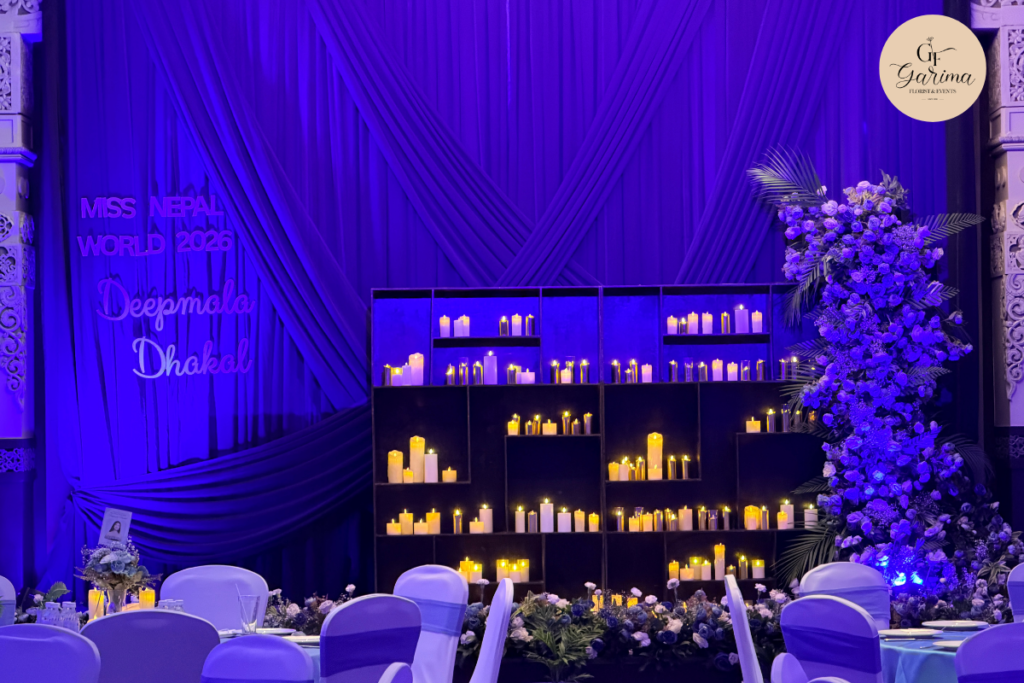
The stage is usually the venue’s primary focal point, so it carries more design responsibility than any other area. For event stage decoration in Nepal, the design also needs to account for the venue’s lighting, stage dimensions, viewing angles and photography conditions. A backdrop that looks striking on its own can still fail if it’s too small for the stage or clashes with the hall’s existing colors.
Floral Decoration
Flowers work best when used with intention rather than spread evenly across the venue. They can define a color palette, frame a focal point, or add texture to a stage or entrance — but flooding every table with floral often dilutes their impact instead of strengthening it. What matters is where they’re placed and how their scale relates to the space, not simply how many are used.
For events where floral styling is an important part of the overall design, floral and décor design can be planned alongside the wider venue concept.
Lighting and Draping
Effective lighting shapes atmosphere, alters how colors read, and transforms a plain hall into something far more polished. The lighting can be adjusted to suit the event’s purpose; warmer tones foster intimacy, whereas brighter, more even illumination aids presentations and visibility at corporate events.
Tables, Seating and Guest Areas
These are where guests spend most of their time, so they deserve real design attention. Centerpieces, linens, and seating layout contribute to the overall look, but need to stay practical: guests need enough space to sit comfortably and see the stage without obstruction.
Signage and Photo Areas
Signage should help guests find their way while reinforcing the event’s visual identity. A photo area needs a design that fits the palette and theme, plus enough space and the right lighting to actually work as somewhere guests want to stop and take pictures.
How to Create a Cohesive Event Decoration Design
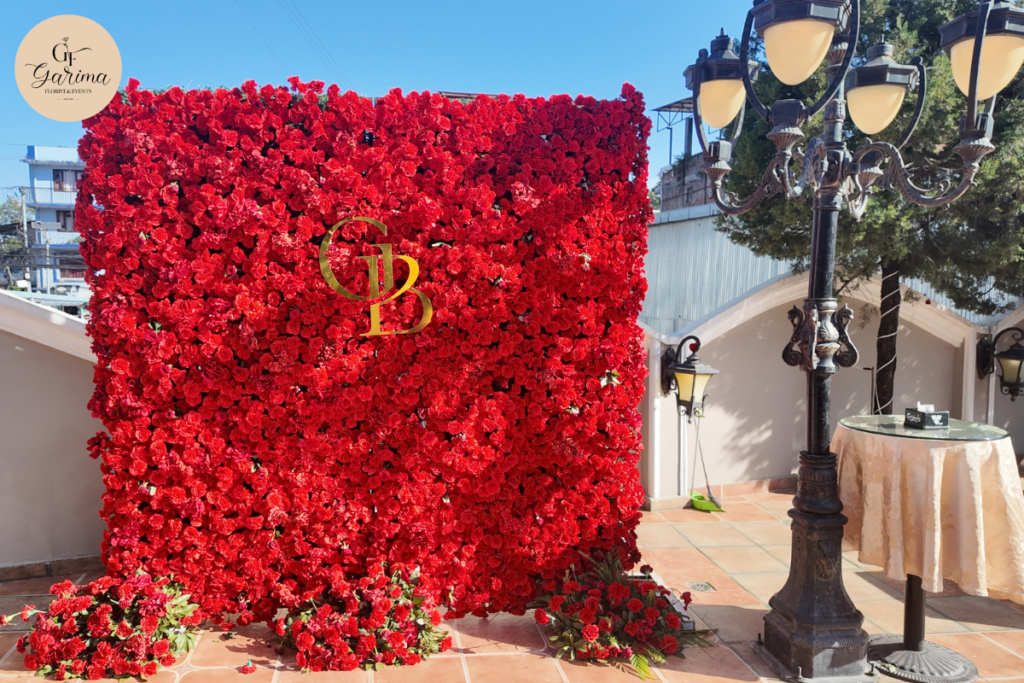
A cohesive event design makes every area feel connected. The colours, flowers, lighting, stage, entrance, and guest areas should follow the same overall style. This creates a clear and balanced look across the venue.
Keep one clear design direction: Every element in the venue — stage, entrance, tables, signage — should trace back to the same design decision made earlier. This is what stops a venue from feeling like several unrelated ideas placed next to each other.
Repeat selected visual elements: Consistency usually comes from repetition, not duplication. A specific floral style, fabric texture, or color accent that shows up at the entrance, the stage, and the tables creates a visual thread without needing every area to look identical.
Create visual hierarchy: Once the main focal point is set, secondary areas and supporting details should complement it rather than compete with it. This is what makes a stage feel like the natural centre of attention rather than one more decorated corner.
Don’t make every area identical: Cohesion doesn’t mean sameness. The entrance, stage, and dining area can each have their own character while still clearly belonging to the same event — usually by carrying forward one or two connecting elements while letting the intensity vary by area.
Review the design as one complete venue: Before finalizing anything, review the plan as a whole space rather than approving each area in isolation. A stage that looks great alone can still feel disconnected next to an entrance designed with a different visual logic.
Event Decoration for Different Types of Events
There are different types of events. For each events, decoration ideas may vary.
Wedding event decoration
For weddings, decoration often spans multiple functions, each with its own needs. Garima’s wedding services can bring planning, decoration and function coordination together when the celebration requires a broader approach.
Corporate event decoration
Corporate event decoration shouldn’t be treated as wedding decoration with different colors. Priorities shift toward brand presentation, clear stage and screen visibility, a professional atmosphere, and guest areas that support networking rather than celebration. Lighting favours clarity over mood, and décor is generally more restrained.
When decoration needs to work alongside venue planning, branding, guest management and event-day coordination, corporate event management can bring those requirements together.
Private event decoration
Whether for a home dinner, small anniversary or intimate celebration — private event decoration usually works at a smaller scale. For gatherings that require broader planning and coordination, private event management can support the wider event requirements.
Social event decoration
Social Event Decoration varies widely, from casual family gatherings to larger milestone events. For celebrations that require broader coordination beyond decoration, social event management can help bring planning, venue presentation and event-day requirements together.
How to Keep Decoration Consistent Across Multiple Event Functions
Weddings in particular often involve several functions across different days, each with a different mood. Keeping them visually connected takes a bit of planning. When several functions need to be coordinated as part of one celebration, wedding planning services can help connect the individual functions with the wider schedule and event requirements.
Establish one overall design direction before any individual function is planned, even if each one looks different on the surface.
Carry forward selected visual elements — a recurring color, floral style, or fabric choice — so functions feel part of the same celebration even as the settings and formality change.
Change styling without losing identity — a mehendi function can be relaxed and colourful while the reception is formal, as long as a few connecting elements run through both.
Document the design before setup — writing down the palette and key elements makes it far easier to stay consistent across multiple venues, dates, and vendors.
This becomes especially important when different wedding functions use different venues, layouts or levels of formality.
What Affects Event Decoration Cost in Nepal?
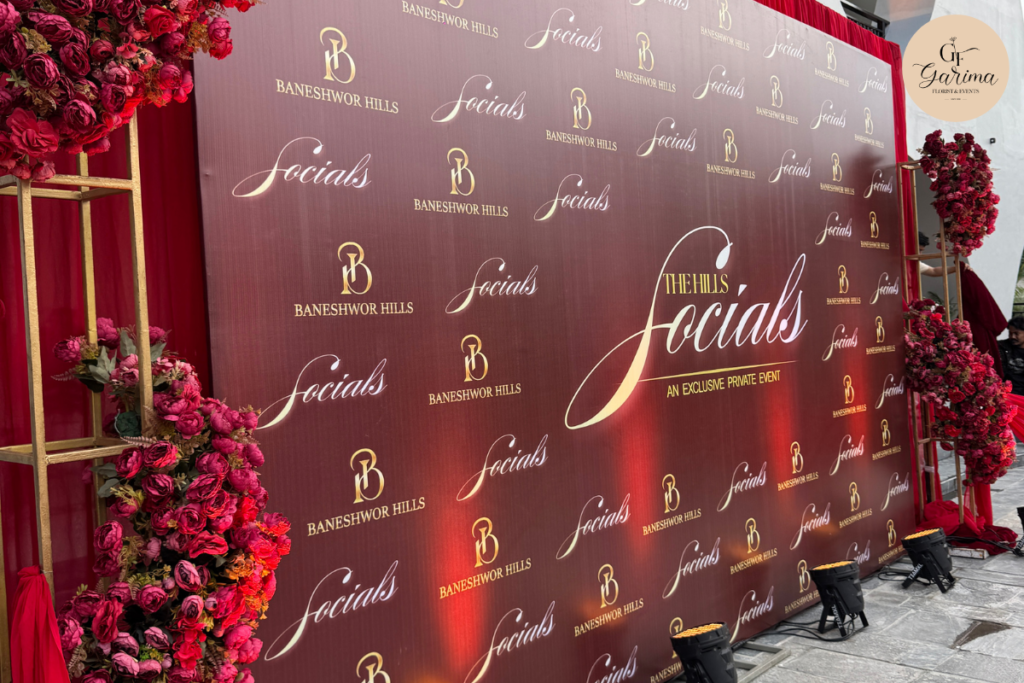
Rather than quoting fixed prices — which vary enormously from one event to another — it’s more useful to understand what actually drives event decoration cost in Nepal: venue size and layout (larger spaces generally need more decoration to feel complete), the number of decorated areas, stage and backdrop requirements, floral and material selection, lighting requirements, the level of customization, and installation complexity, since venues with limited access time or difficult installation points affect labour and planning.
Because these factors vary so much between events, a decoration budget is better approached by thinking through the event’s priorities and the actual scope of the setup, rather than expecting a single standard price to apply.
Event Decoration Setup: What Happens Before Guests Arrive?
Decoration isn’t simply “placing things” on the event day — it follows a sequence, and getting that sequence wrong causes real problems.
Prepare the decoration plan: A finalised layout, palette, and element list should be ready before setup day, shared with everyone involved in installation.
Coordinate the required elements: Floral, structures, lighting, furniture and other elements may involve different teams or suppliers, so their arrival and installation need to be coordinated.
Set up major structures and focal areas: The stage, backdrop, and large installations generally go up first, since smaller details depend on them being in place.
Add secondary details: Table settings, signage, and photo-area styling usually come after the major structures are complete.
Review the complete venue: Checking the space as a whole — not area by area — helps catch anything that looks disconnected before guests arrive.
Refine lighting angles and small details right up until the doors open.
The setup generally follows this order, though the exact schedule depends on venue access, design complexity, and the number of teams involved.
Common Event Decoration Mistakes to Avoid
Small decoration mistakes can affect the whole look of an event. They can also make the venue feel crowded, uneven, or hard to use. Avoiding these common mistakes can help the event look better and run more smoothly.
Choosing décor before understanding the venue: Leads to decoration that doesn’t fit the space’s proportions, lighting, or layout — hard to fix once setup has started.
Collecting too many unrelated ideas: Saving photos from different sources without a shared design direction results in a venue that feels scattered rather than intentional.
Using too many competing colors: When several strong colors compete for attention, the overall design can feel disconnected rather than intentional.
Ignoring scale and proportion: Oversized or undersized decoration relative to the venue throws off the entire visual balance.
Focusing only on the stage: A stunning stage next to a plain entrance or dining area creates an inconsistent experience for guests.
Blocking guest movement: Decoration placed without considering walking paths creates real logistical problems once guests arrive.
Decorating every area equally: Without a clear hierarchy, nothing in the venue stands out as the focal point.
Leaving setup planning until the last moment: Installation takes real coordination — leaving it unplanned often leads to rushed, uneven results.
Prioritizing appearance over functionality: Decoration that looks good in photos but obstructs seating or movement weakens the guest experience.
Failing to communicate the complete design direction: When teams aren’t working from the same plan, different areas can end up feeling like separate events.
Event Decoration Checklist
Planning
- [ ] Event type and purpose
- [ ] Venue confirmed and reviewed
- [ ] Guest count
- [ ] Venue layout mapped
- [ ] Design direction and theme set
- [ ] Color palette decided
- [ ] Budget priorities identified
Decoration
- Who clearly defines the entrance?
- [ ] Is the stage visible from the main seating areas?
- [ ] Does the backdrop fit the stage dimensions?
- [ ] Do the floral match the color palette?
- [ ] Is lighting appropriate for the event?
- [ ] Does draping work with the venue’s existing architecture?
- [ ] Can guests move comfortably around tables and seating?
- [ ] Are signage and photo areas properly positioned?
Setup
- [ ] Venue access and timing confirmed
- [ ] Installation coordinated
- [ ] Major focal areas checked first
- [ ] Guest movement reviewed
- [ ] Final full-venue inspection
- [ ] Removal and teardown planned
When Should You Hire a Professional Event Decoration Team?
Professional support isn’t necessary for every event, but it becomes genuinely useful when the venue has multiple areas that need to work together visually, the event involves several functions across different days, the design requires custom elements rather than standard setups, setup has to happen within a tight access window, several elements need coordinating at once, or the host would simply rather focus on guests than on managing installation.
Smaller events with one focal area work with DIY if we address the venue and needs early.
If an event requires multiple decorated areas, custom elements or coordinated setup, exploring professional event decoration services can help bring the design and practical requirements together.
How to Choose an Event Decoration Company in Nepal
You can choose an event decoration company in Nepal by following way:
Look beyond individual decoration photos
A beautiful photo captures a single moment at one venue. It does not prove a company can plan and coordinate a full event. A broader portfolio shows how teams handle venues, formats, and design needs. A broader event decoration portfolio can show how a team approaches different venues. It reveals formats and design requirements clearly.
Review the range of services
Some companies handle stage and floral work only; others offer full planning and coordination alongside decoration.
Ask how the design will work with your venue
A company that asks detailed questions about your space is more likely to design something that fits. Therefore, it considers details beyond colors.
Outline what is included, including setup, teardown, signage, and photo areas. Also discuss setup and coordination timing, especially if the venue has a limited access window.
Check communication and planning
A company that documents the design direction clearly is easier to coordinate with, especially across multiple functions.
Ensure the design fits your event
The right event decorator in Nepal should explain how their design choices relate to your specific venue and event. They should avoid offering a generic template.
Why Planning and Decoration Work Better Together
Planning determines what an event actually needs; decoration translates that plan into the physical environment guests will experience. When planning and decoration need to work together, event management services can help connect the venue, schedule, guest flow and on-ground execution. Separating the two tasks tends to create gaps, such as a decoration plan that neglects the event schedule or a venue layout shared with the decoration team too late.
If you connect planning and decoration from the start, you can coordinate the venue, guest flow, schedule, and setup as a single process.
This is the kind of coordination Garima Florist & Events works on — connecting wedding planning, floral and décor design, and event management for weddings, corporate events, private events, and social celebrations, based in Budhanilkantha, Kathmandu.
The team makes decoration decisions alongside practical event details as the process moves through consultation, design, planning, and execution.
Useful Wedding Resources
- Destination Wedding in Nepal — Nepal Tourism Board
- Nepal Tourism Board – Weddings & Events — Nepal Tourism Board
Government / Official
- Marriage Information Form — Kathmandu Metropolitan City
- Department of Tourism — Government of Nepal
Frequently Asked Questions
What does event decoration include?
Event decoration can include the entrance, stage and backdrop, floral, lighting, draping, tables and seating, signage, and photo areas. The exact combination depends on the event type and venue.
How do I plan event decoration?
Start with the event’s purpose, understand the venue, define a design direction and color palette, identify key focal points, and check practical requirements such as guest movement and setup access.
What affects event decoration cost in Nepal?
Cost depends on factors such as venue size, the number of decorated areas, stage and backdrop complexity, floral and material choices, lighting, customization, and installation requirements.
How can I make different event functions look cohesive?
First, set an overall design direction. Then, carry elements such as colors, floral, or styling details across functions, while each function retains its own look.
How do I choose an event decoration company in Nepal?
Consider the company’s range of services, approach to your venue, decoration inclusions, communication, and setup planning. Look beyond portfolio photos to understand how they handle the practical requirements of an event.
Plan Your Event Decoration With a Clearer Design Direction
Good event decoration starts with planning, not decoration items. Once the venue, purpose, and design direction are clear, the rest falls into place. These include focal points, decoration elements, guest flow, setup, and execution.
If you’re working through concept development, floral and décor design, venue styling, wedding functions, or event-day coordination, you can book a consultation to discuss your event’s specific requirements.
Phone: +977 9851345602
Email: garimaflorist@gmail.com
Location: Budhanilkantha, Nepal